Your cart is empty
Tax included and shipping calculated at checkout

Drawer menu
Tax included and shipping calculated at checkout
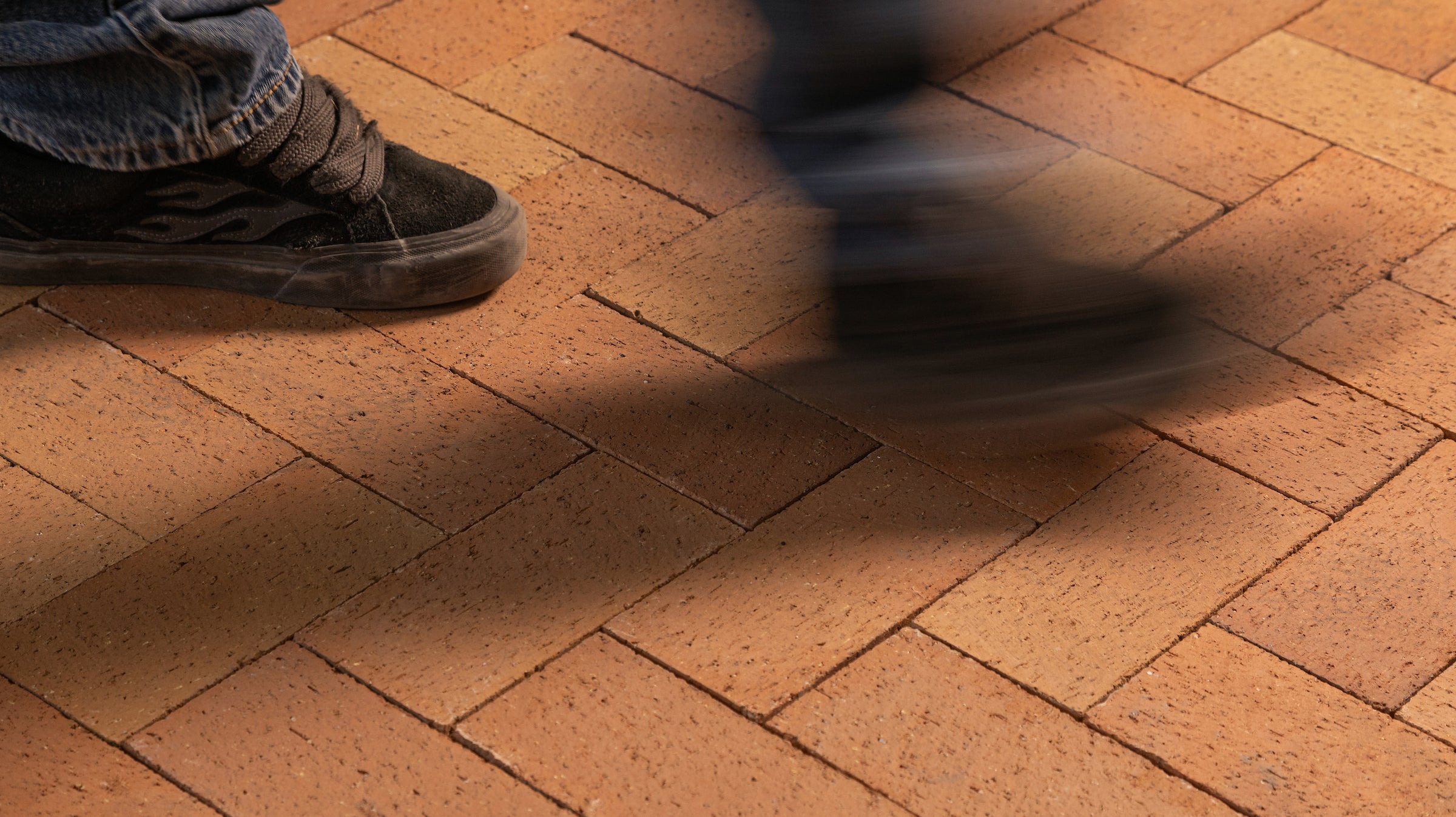
New. Paver and cobble
A California island called Catalina. A Tucson mountain range called Catalina. One name spans the West. One brick lives in both.
Why Catalina
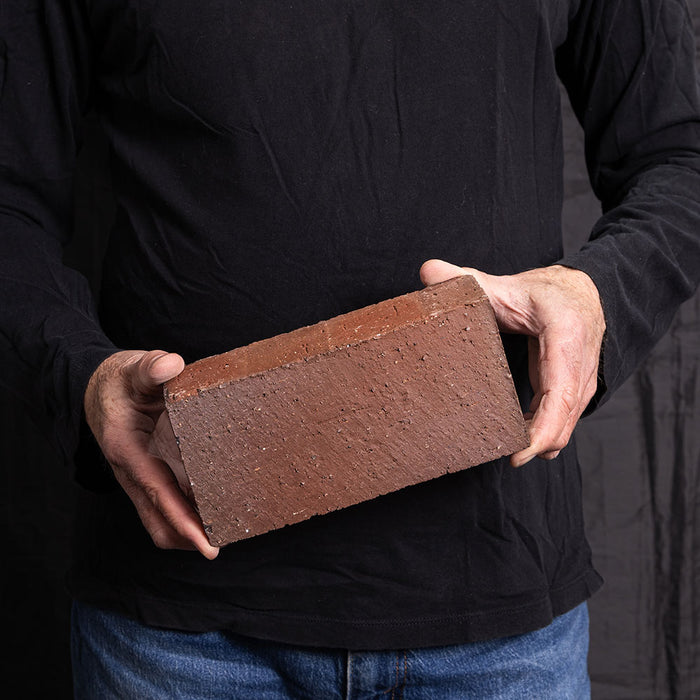
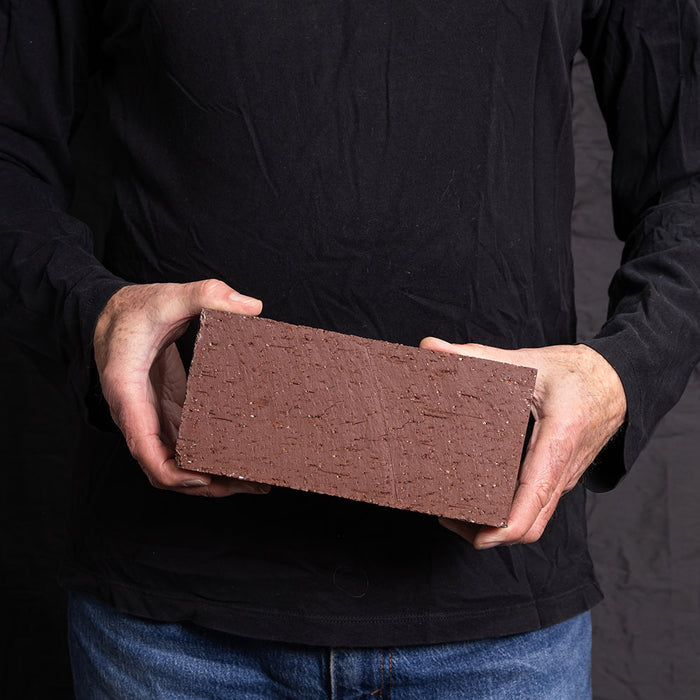
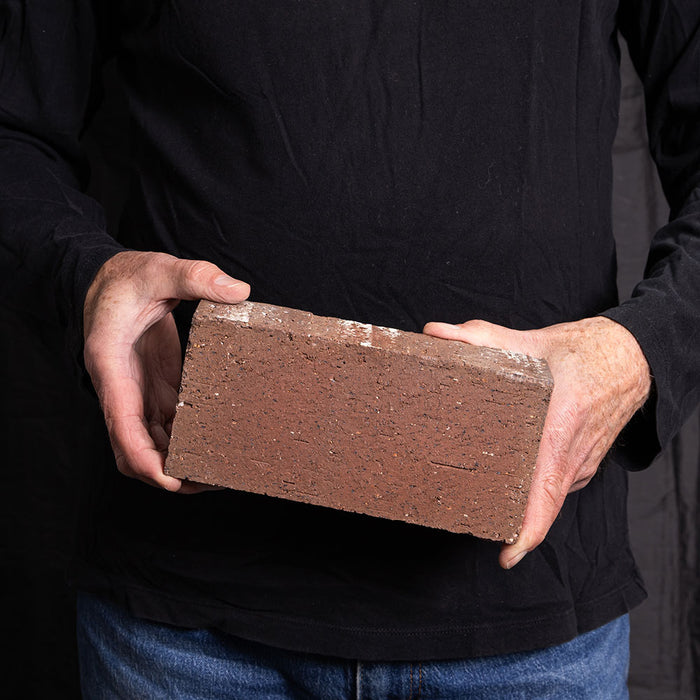
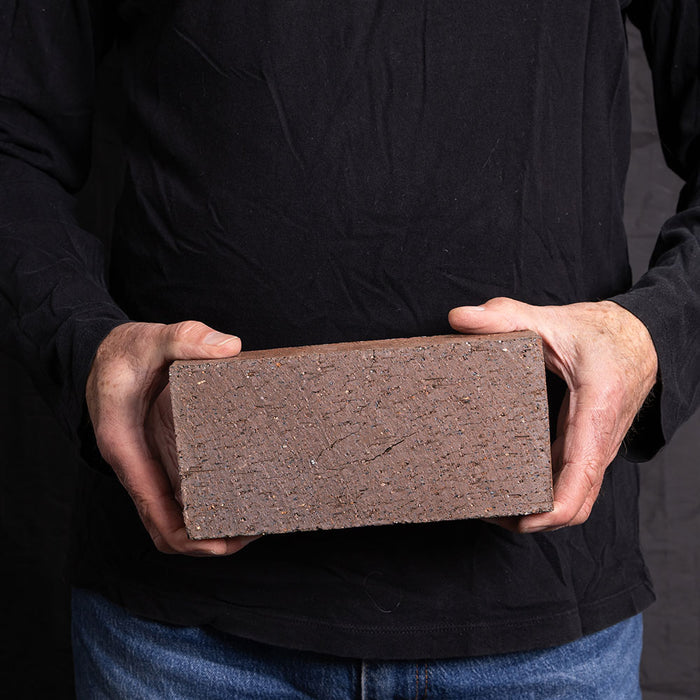
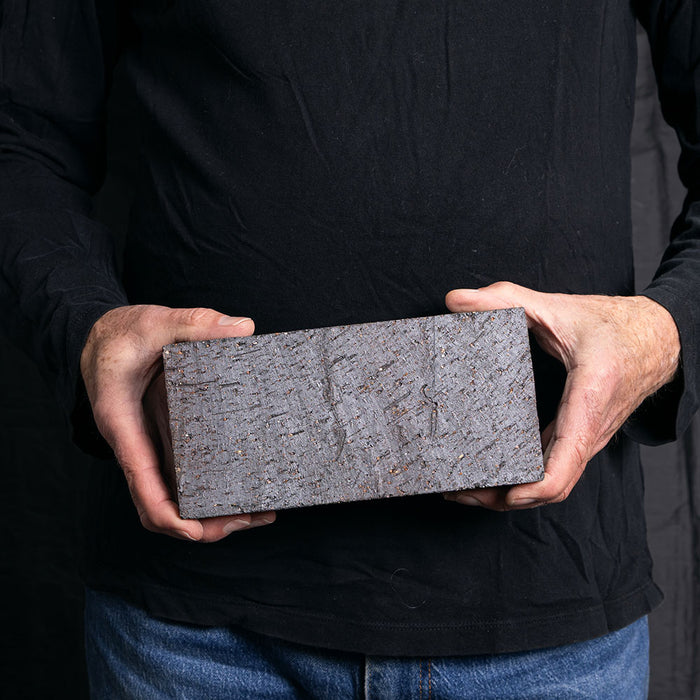
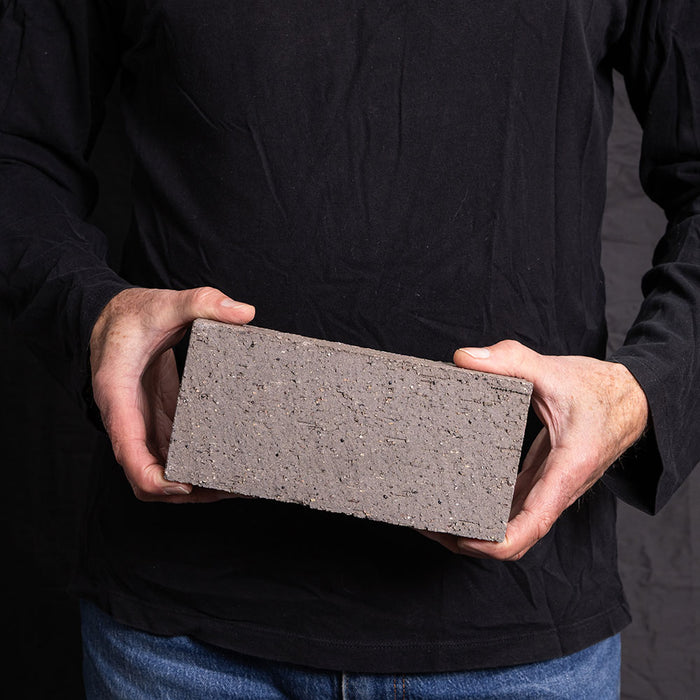
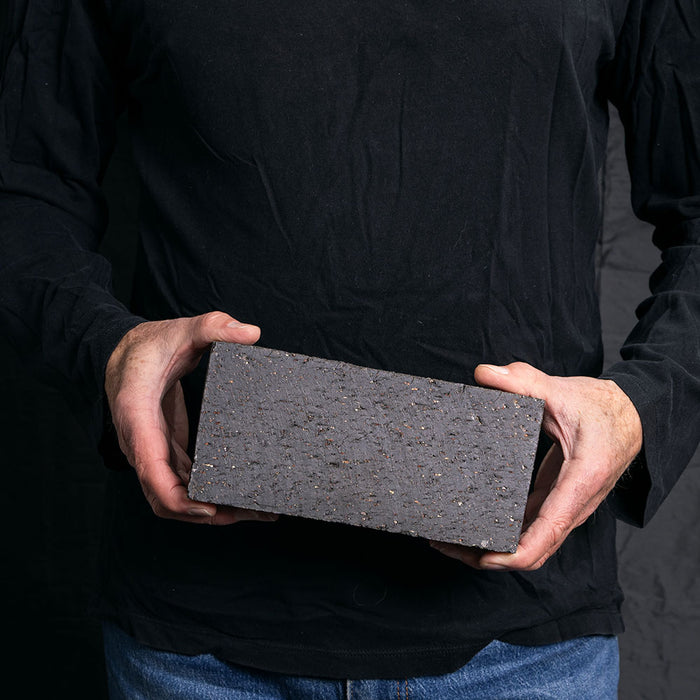
A wire cut face, crisp square edges, a clean flat surface. The paver is 4 x 8. The cobble is the paver, reduced.
Catalina is clay. Twelve colors that run all the way through the body, so a cut end and a chipped corner show the same color as the face.
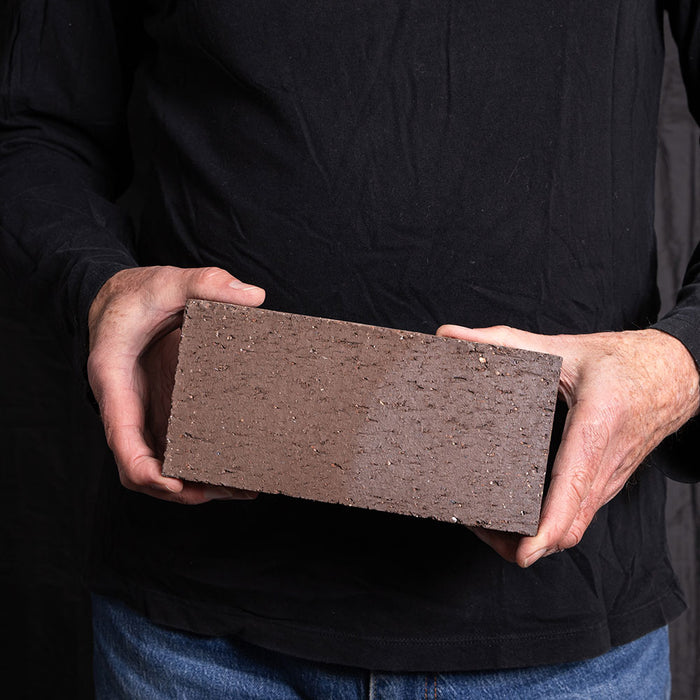
The face is set at the die. Clay is pressed through into the brick form and cut to length with a wire, and the drag that cut leaves is what you walk on. It is the reason a Catalina floor reads as brick rather than as a rectangular tile, and the reason no two pieces come out of the kiln matching.
Indoor and outdoor, underfoot and on the wall. The fired terracotta body is tested for use in wet and freeze thaw conditions.
Two formats, one body. 4.5 pieces to the square foot in the paver, 9 in the cobble.
Paver and cobble
Both come off the same clay column and out of the same kiln, in all twelve colors. The difference is the cut.
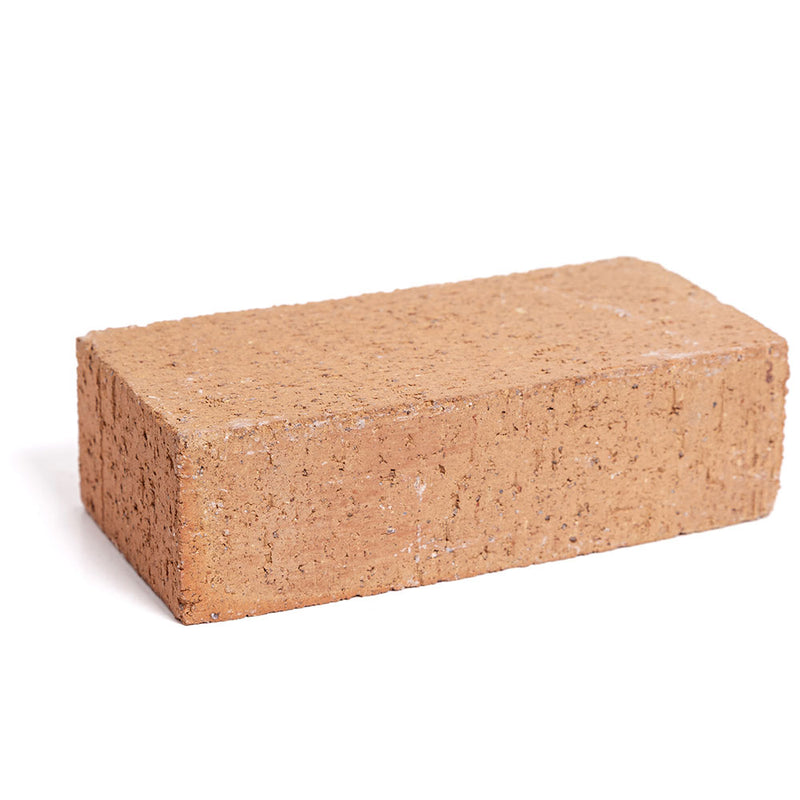 Format one, paver
Catalina Brick Paver
CB-PAVER4X8-SALTILLO
Format one, paver
Catalina Brick Paver
CB-PAVER4X8-SALTILLO
Eight inches on the long face, four across, two and a quarter deep. This is the piece laid in every pattern further down the page, and the piece the cobble is cut from.
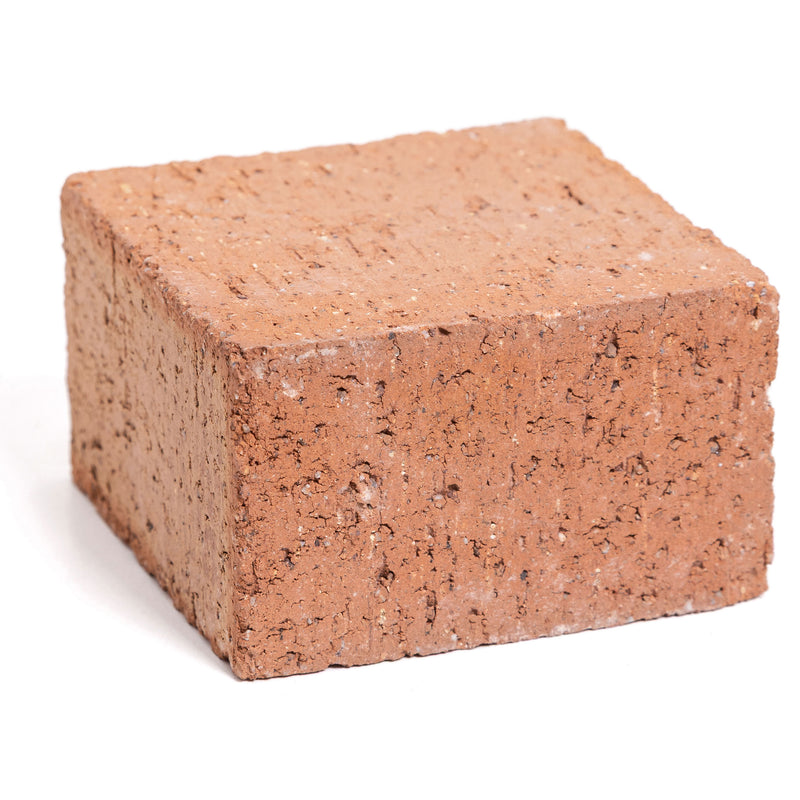 Format two, cobble
Catalina Brick Cobble
CB-COBBLE4-SALTILLO
Format two, cobble
Catalina Brick Cobble
CB-COBBLE4-SALTILLO
The paver, reduced. A four inch square cut down from the same brick at the same depth, for tighter fields, borders, radius work and any layout where the paver is too long a module.
Standard sizes, or custom. We cut the paver into the cobble, into half bats, and into the shapes a layout calls for. More sizes and face textures are on the way.
All twenty four, paver and cobbleTwo coordinates
One word stretching from the Pacific to the Sonoran. Now it names an ARTO brick.
An island twenty two miles off the Southern California coast. Named in 1602 by the Spanish explorer Sebastián Vizcaíno on the feast day of Saint Catherine.
The Tongva, who lived there long before, called it Pimu.
Built to live by the coast.A range rising sharply north of Tucson, to 9,157 feet at Mount Lemmon. Named in 1697 by the Jesuit cartographer Eusebio Kino as he mapped the basin.
The Tohono O'odham, who lived there long before, called the peaks Babad Do'ag.
Built to live by the desert.Catalina comes from the Greek katharos: pure, clear, unadulterated. The root the Spanish carried west on the feast day of Saint Catherine of Alexandria, scholar, martyr, patron of craftsmen and potters.
Color palette
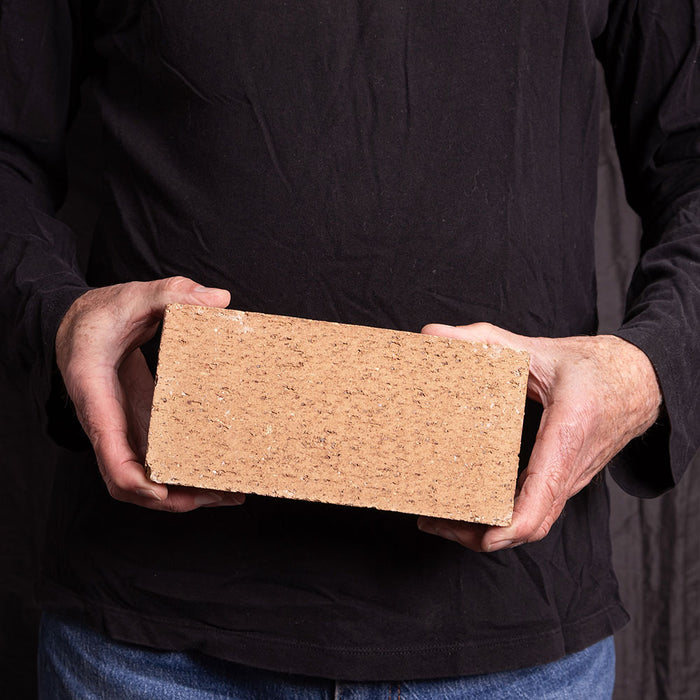
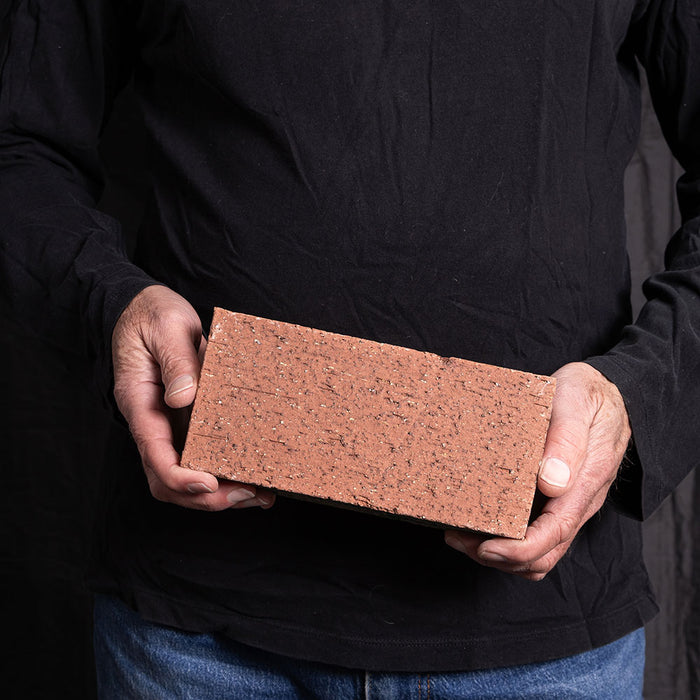
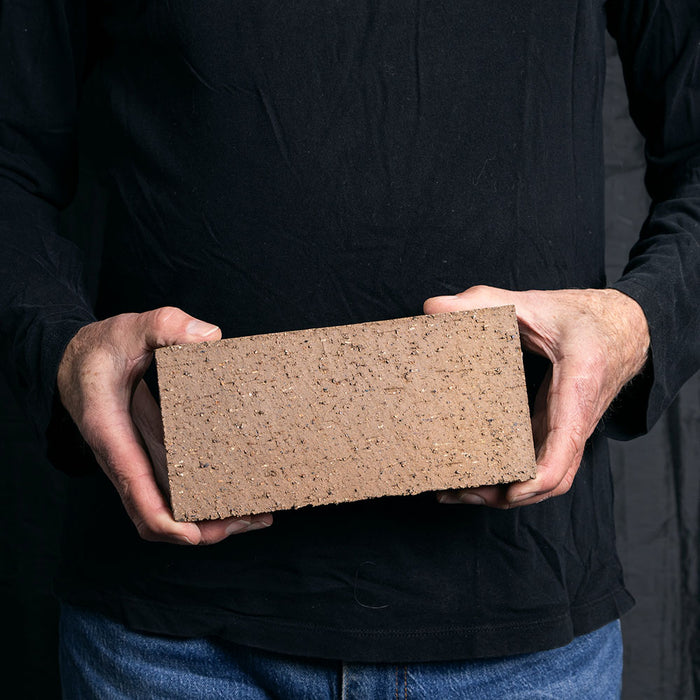
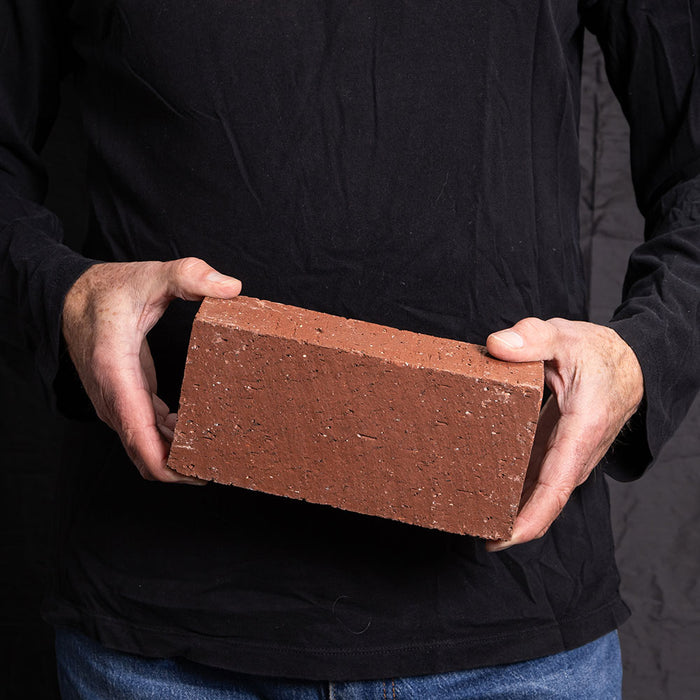
Flashed browns and iron spot greys. Saltillo warmth that looks sun dried. Reds that move from coral to deep clay to vivid sunset. Each color is fired into the body, not painted on. The brick wears the way the brick was made. Roll over any color to see a piece in the hand.
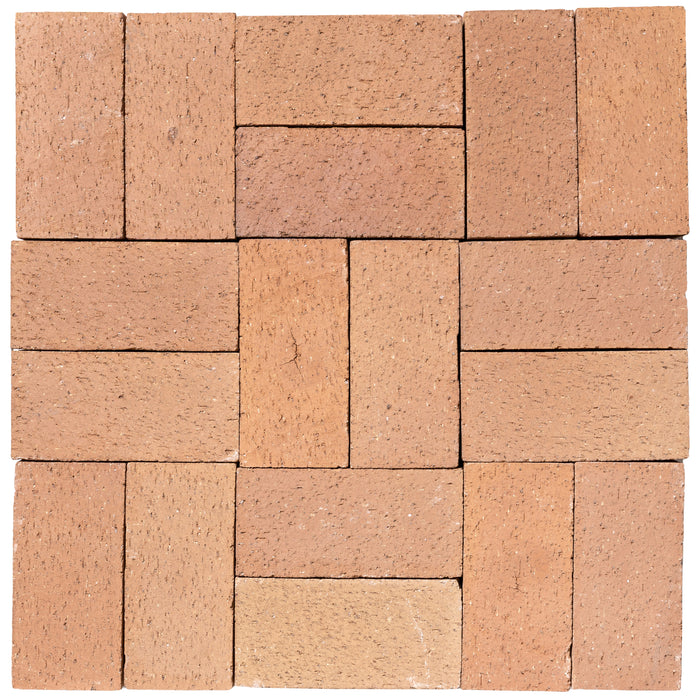 Saltillo
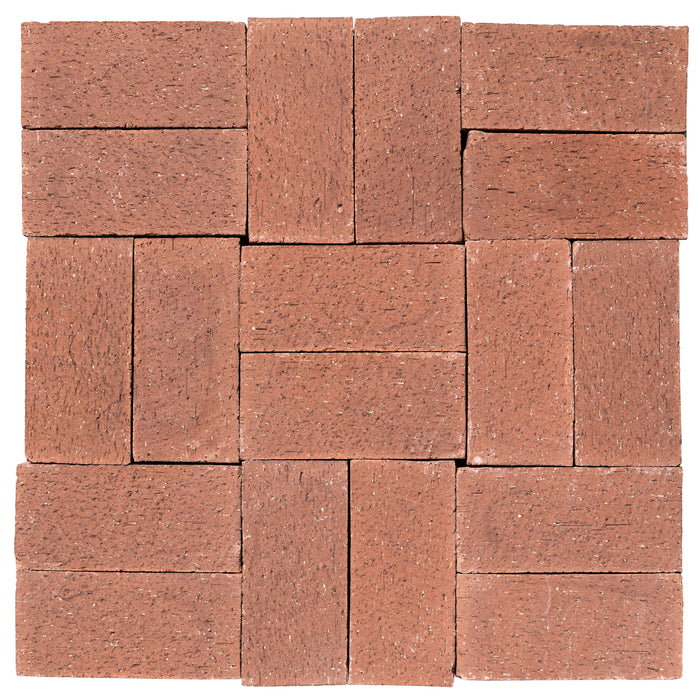 Rose Tan
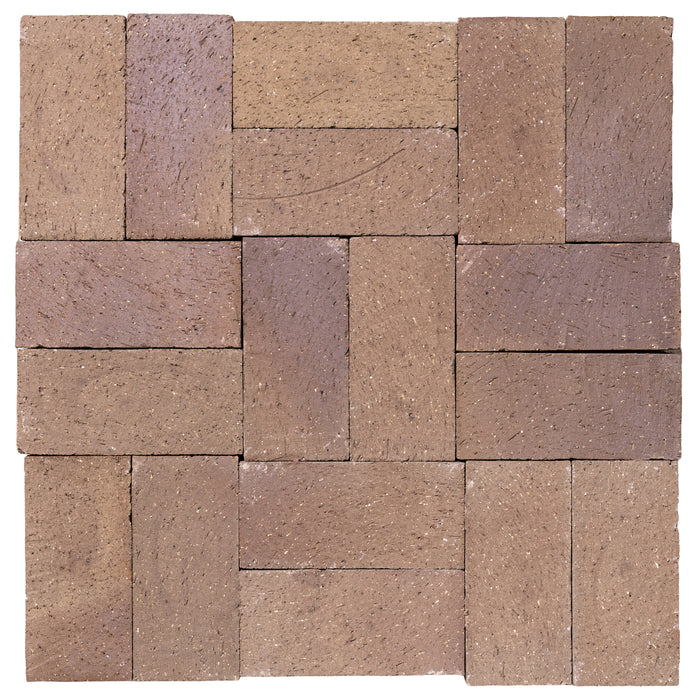 Pueblo Flashed
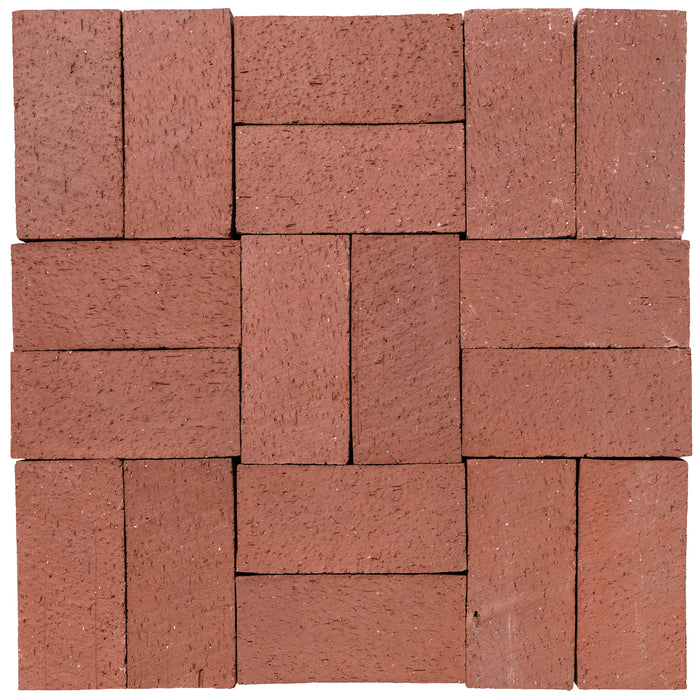 Sunset Red
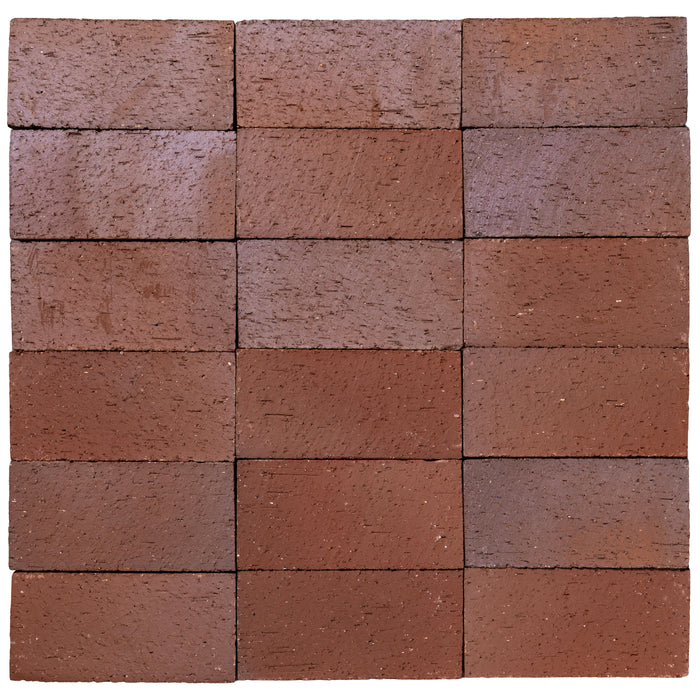 Red Flashed
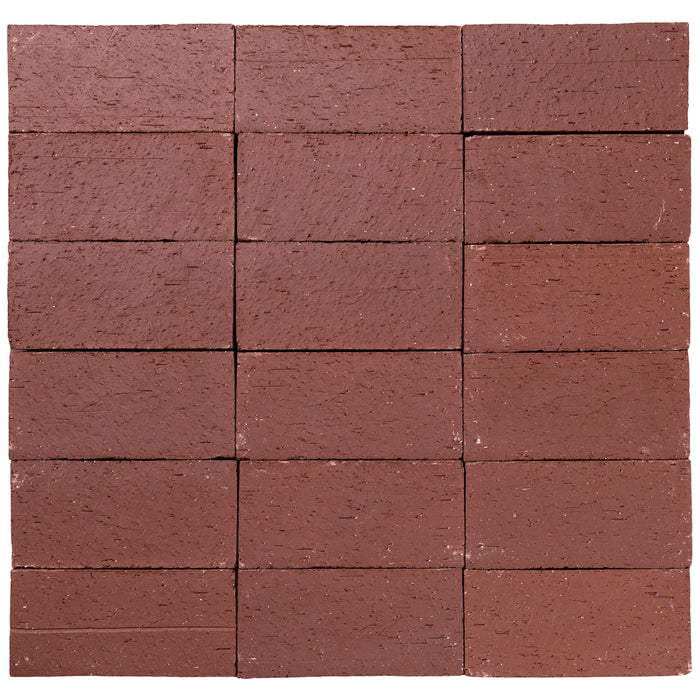 Burgundy
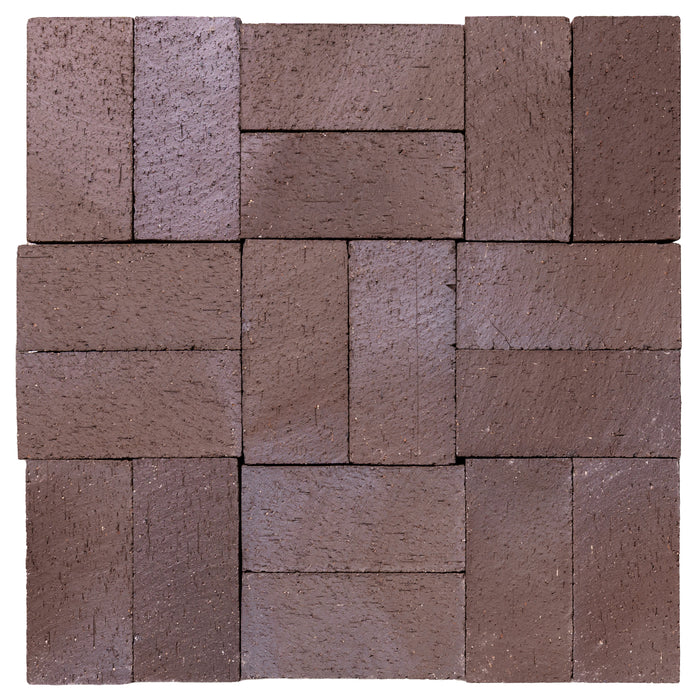 Brown Flashed
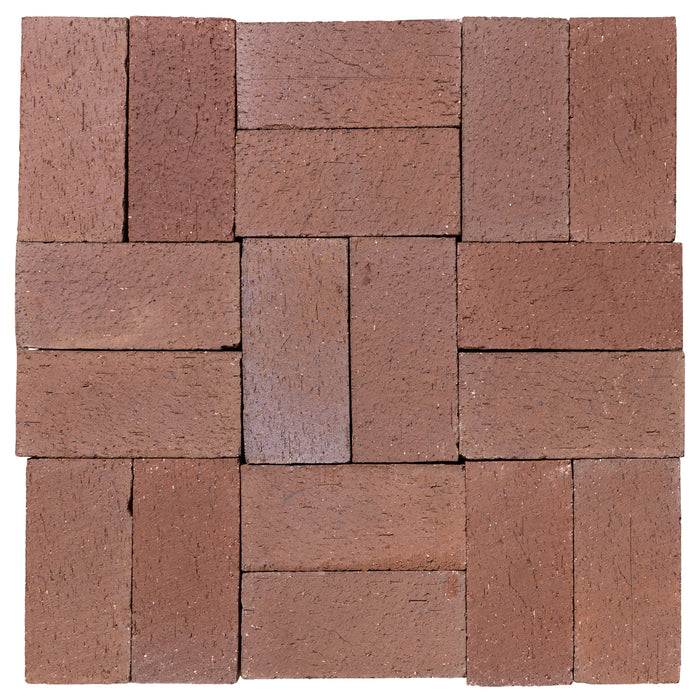 Light Ironspot
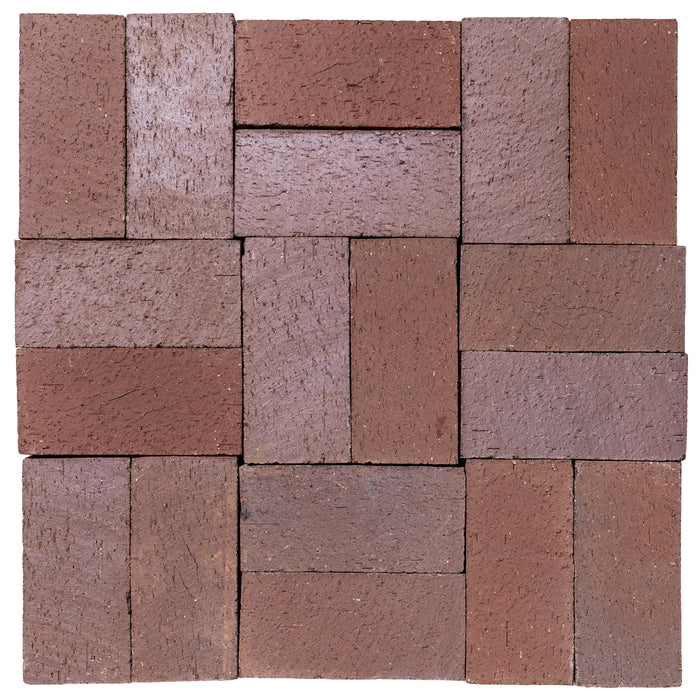 Medium Ironspot
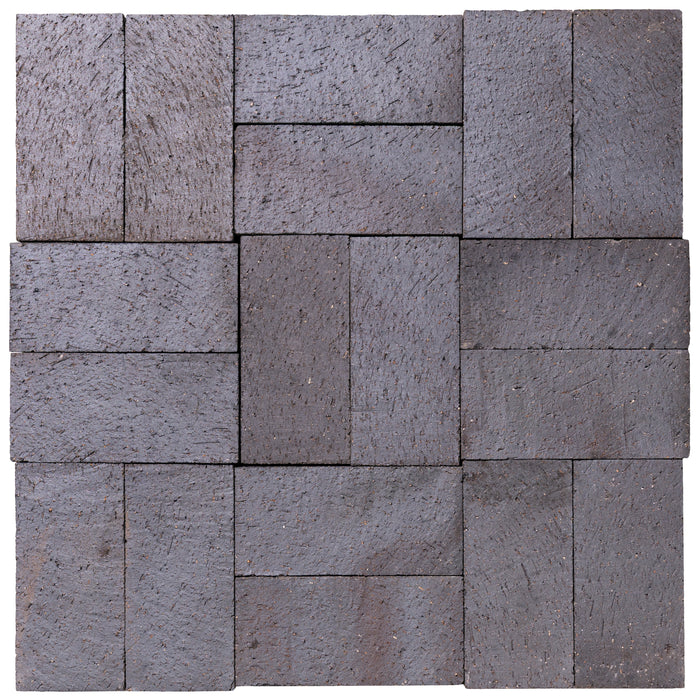 Dark Ironspot
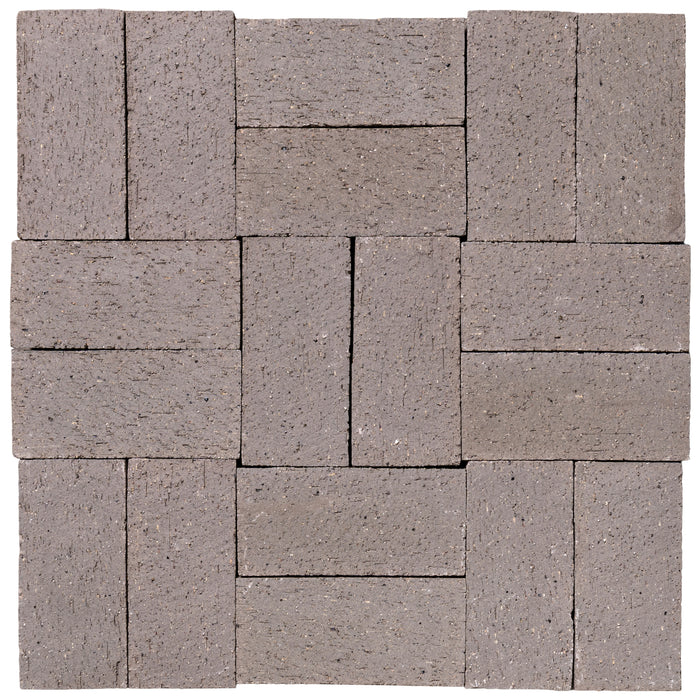 Sterling Grey
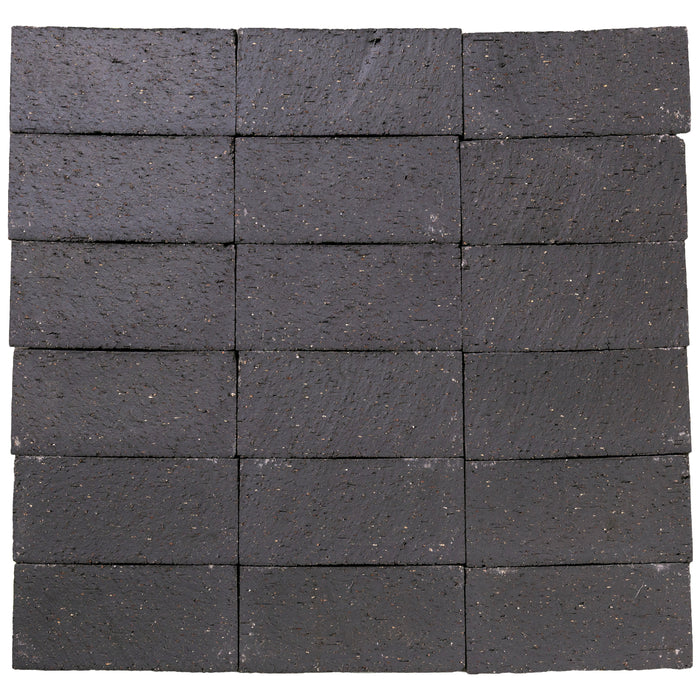 Charcoal
Images do not represent actual color. A fired clay body does things on a screen that it does not do in a room.
Patterns
The 4 x 8 paver is a module, and a module can be turned. Basketweave, stack bond, herringbone. Same brick, same coverage, three different floors. Click any panel to open it full size.
Pairs laid at right angles, turning at every unit.
Every joint aligned, running in a straight grid.
Set at forty five degrees, each unit locking against the next.
Every color lays every way. The pattern does not change the coverage either, four and a half pieces to the square foot in all three. What changes is the cutting at the edges, and we cut.
How it is made
Catalina is clay, extruded, fired. Sometimes we cut it. Sometimes we glaze it. Color you can feel. Texture you can see.
Clay pressed through a die into the brick form. The wire cut face is set here.
Kiln fired through the body. The twelve colors hold in the clay itself, fired in rather than coated on.
Standard sizes, or custom. The paver and the cobble are the standard two, and everything else is a cut off the same column.
On request. A glaze over this body is custom work, and so is matching a color you bring us.
Installation
Two and a quarter inches of fired clay goes down three ways. What decides which is not the brick. It is what sits under it.
ISandset
Direct over a compacted base, the way Roman roads were laid.
Patios, driveways, paths.
IIThinset
Over slab, prepared mortar bed, or backer board.
Indoor floors, walls, fireplaces.
IIIMortared
Full mortar bed and joints.
Structural walls, façades, deep pattern work.
Send us the job and the substrate. Which method is right depends on what is under the brick, and we will tell you which one it is.
Custom is the standard
We started as a custom shop and we still run that way. Send a chip. Bring a swatch. Show us what you're building. We develop custom glazes, custom shapes and custom color matches. A sample is run before any production commitment.
The material
The craft is in the maker's hands. The performance is in the fired clay body. ARTO publishes CSI 3-Part specifications and installation guides so architects and designers can specify with confidence.
The mix
Handcrafted in Gardena from high fired terracotta, two and a quarter inches deep. The clay column is extruded through a die and cut to length with a wire, and the drag that cut leaves is the face. Every piece is made by hand, so size varies a little across a run.
The color
Fired into the clay rather than coated onto it, so there is no surface to wear off. No shade variation rating is published for this collection, which is a reason to order a sample rather than a reason not to.
The documentation
A CSI 3-Part master specification covers clay tile, 09 30 13 Ceramic Tiling. The test suite is absorption, bond strength, breaking load, chemical resistance, freeze thaw and dynamic coefficient of friction. Specifications, test data, care and installation guides are all in the technical library.
The application
Patios, paths, interior floors, walls and fireplaces. The fired terracotta body is tested for use in wet and freeze thaw conditions, and the absorption, breaking load and slip figures are published as test data.
The industry
Member of TCNA, NTCA, and CTDA. Custom products are available with project-specific testing on request.
The decision
Always order a sample before you commit. What you see on a screen is not what your hand will know in the room. Samples ship from our Gardena facility.
Material truth
Rough and refined at the same time. A handcrafted edge where no two pieces are exactly alike. A porous surface that ages with the room. Color that runs through the body, in a palette that belongs in a gallery.
It is not a marketing phrase. It is a material truth. Far from perfect, and that is the whole point.